Category: power lift chairs
Posted by 2025-12-29 11:12
hoyer lift harness
The Complete Guide to Hoyer Lift Sling Systems: The Art of Safe, Comfortable, and Precise Support
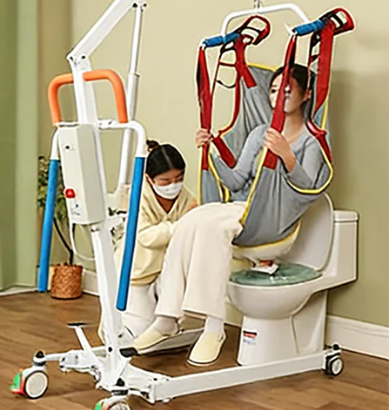
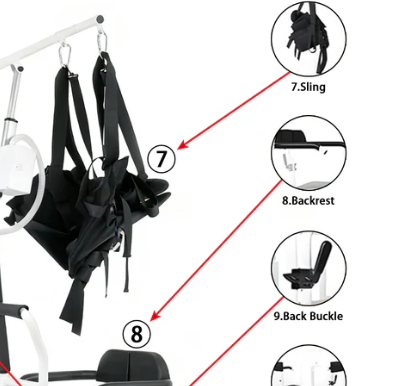
As the core component of the Hoyer Lift system that directly contacts the user’s body, the selection and use of slings are directly related to the safety and comfort of the transfer process. hoyer lift harness This article will delve into the professional knowledge of sling systems to help you make the best choice.
A Comprehensive Analysis of Sling Types
Seated Slings
Standard Type: Suitable for most daily transfer scenarios.
Reinforced Type: Provides additional support for users with heavier body weights.
Toileting/Showering Type: Made of mesh material, featuring quick-drying and breathable properties, ideal for personal hygiene activities.
Adjustable Type: Designed with multiple adjustment points to accommodate users with special body shapes.
Full-Body Slings
Full-Support Type: Offers comprehensive support for users who cannot maintain a seated position.
Rehabilitation Type: A specialized style designed exclusively for rehabilitation training.
Care Type: A dedicated design that facilitates position changes for bedridden patients.
Special-Function Slings
Standing Assistance Type: Equipped with additional support points to assist with standing training.
Transfer-Specific Type: Features a simplified design for quick donning and doffing.
Custom Type: Personalized solutions tailored to meet special needs.
Material Science and Characteristics
Load-Bearing Materials
High-Strength Nylon: Offers optimal durability and excellent load-bearing capacity.
Polyester Fiber: Boasts strong wrinkle resistance and good shape retention.
Blended Fabrics: Balances strength, comfort, and service life.
Professional Mesh Cloth: Features a lightweight design with excellent breathability.
Comfort Layer Design
Fleece Lining: Provides a soft tactile experience.
Breathable Mesh: Promotes air circulation and reduces stuffiness.
Pressure Distribution: Special weaving technology optimizes pressure distribution.
Temperature Regulation: Smart fabrics adapt to changes in ambient temperature.
Safety-Enhanced Features
Reflective Strips: Ensure visibility in low-light environments.
Anti-Slip Design: Special textures prevent shifting during use.
Color Coding: Enables quick identification of size and load-bearing capacity.
Antibacterial Treatment: Inhibits bacterial growth and maintains hygiene standards.
Professional Selection Guide
Based on User Conditions
Patients with Hemiplegia: Choose asymmetric designs to provide additional support.
Obese Users: Select specialized wide models to ensure full coverage.
Users with Sensitive Skin: Opt for ultra-soft linings to reduce irritation risks.
Users with Cognitive Impairments: Prioritize designs for quick donning/doffing to simplify the operation process.
According to Usage Scenarios
Daily Transfers: Standard models that balance comfort and durability.
Hygiene Activities: Toileting/showering-specific models that are quick-drying and breathable.
Rehabilitation Training: Professional training models that support specific movements.
Long-Term Bed Rest: Full-support models that prioritize pressure distribution.
Considering Care Needs
Single-Caregiver Operation: Simplified designs for easy donning and doffing.
Frequent Use: Models that emphasize durability and easy cleaning.
Multi-Scenario Application: Versatile designs adaptable to different needs.
Special Environments: Models with special functions such as anti-slip and waterproof properties.
Correct Donning Techniques
Steps for Donning Seated Slings
Assist the user in sitting upright or lying on their side.
Place the sling downward from the user’s back, with labels facing outward.
Ensure the lower edge of the sling is positioned at the mid-thigh.
Pass the leg straps under the user’s thighs from both sides.
Adjust the tightness of each part to a comfortable level.
Confirm all connection points are correctly positioned.
Key Points for Donning Full-Body Slings
Use a rolling method to assist the user in cooperating with the donning process.
Secure the shoulder, back, and leg supports in sequence.
Adjust the headrest position to provide comfortable support.
Check that pressure is evenly distributed across all parts.
Confirm that breathing or blood circulation is not restricted.
Special Tips and Techniques
For restless users, adopt a step-by-step donning strategy.
Add extra soft padding at bony prominences.
Maintain continuous communication during the donning process to ensure comfort.
Master proficient techniques for quick donning.
Safe Usage Standards
Daily Inspection Checklist
Check that stitches are intact with no loose threads.
Confirm that Velcro or buckles function properly.
Inspect fabrics for worn or thinned areas.
Test the sturdiness of all D-rings and connection points.
Verify that labels are clearly readable.hoyer lift harness
Adherence to Load-Bearing Limits
Strictly follow the weight limits specified by the manufacturer.
Account for additional loads generated by the user’s dynamic movements.
Understand the actual load-bearing requirements for different body positions.
Regularly assess changes in the user’s weight.
Risk Prevention Measures
Avoid contact between the sling and sharp objects.
Prevent contamination by chemicals such as cosmetics and medications.
Rotate the use of multiple slings regularly to extend their service life.
Immediately replace any sling showing signs of damage.
Maintenance and Care
Cleaning and Disinfection Guidelines
Select appropriate cleaning agents based on the material.
Follow the water temperature and washing methods indicated on the label.
Rinse thoroughly to avoid residual cleaning agents.
Air-dry naturally; avoid direct exposure to sunlight.
Perform deep disinfection regularly.
Storage Requirements
Fold and store only after the sling is completely dry.
Avoid placing heavy objects on top to prevent deformation.
Keep away from direct sunlight and heat sources.
Use dedicated storage bags for protection.
Clearly label the user and size information.
Lifecycle Management
Establish usage records and replacement plans.
Conduct regular professional safety assessments.
Understand the expected normal service life.
Develop budget plans for timely replacement.
Troubleshooting and Solutions
Handling Common Issues
Difficulty in Donning: Check the size selection and adjust donning techniques.
Poor Comfort: Evaluate pressure points and add cushioning pads.
Shifting Problems: Adjust tightness and check donning position.
Short Service Life: Assess usage frequency and cleaning methods.
Timing for Professional Assessments
When the user’s physical condition changes significantly.
When any form of quality issue is detected.
For regular professional assessments every 6 months.
When any signs of safety hazards appear.
Trends in Technological Innovation
Development of Smart Slings
Pressure Monitoring: Embedded sensors monitor pressure distribution in real time.
Moisture Sensing: Detects moisture to prompt timely replacement.
Usage Records: Tracks the number of uses and sends maintenance reminders.
Wireless Communication: Intelligently links with the lift system.
Advances in Material Science
Phase-Change Materials: Innovative fabrics that intelligently regulate temperature.
Self-Cleaning Coatings: Special treatments that reduce cleaning frequency.
Biosensors: Integrated technology for monitoring vital signs.
Eco-Friendly Materials: Biodegradable options for sustainable development.hoyer lift harness
Conclusion
As a crucial component of the Hoyer Lift that directly provides care to users, the selection and use of sling systems require professional knowledge and careful practice. hoyer lift harness The right sling not only provides safe support but also serves as a key to ensuring comfort and preserving dignity. By gaining a deep understanding of the professional knowledge of sling systems, we can provide personalized and professional care solutions for every user. Let us use professionalism and care to ensure that every transfer is a safe, comfortable, and respectful experience.